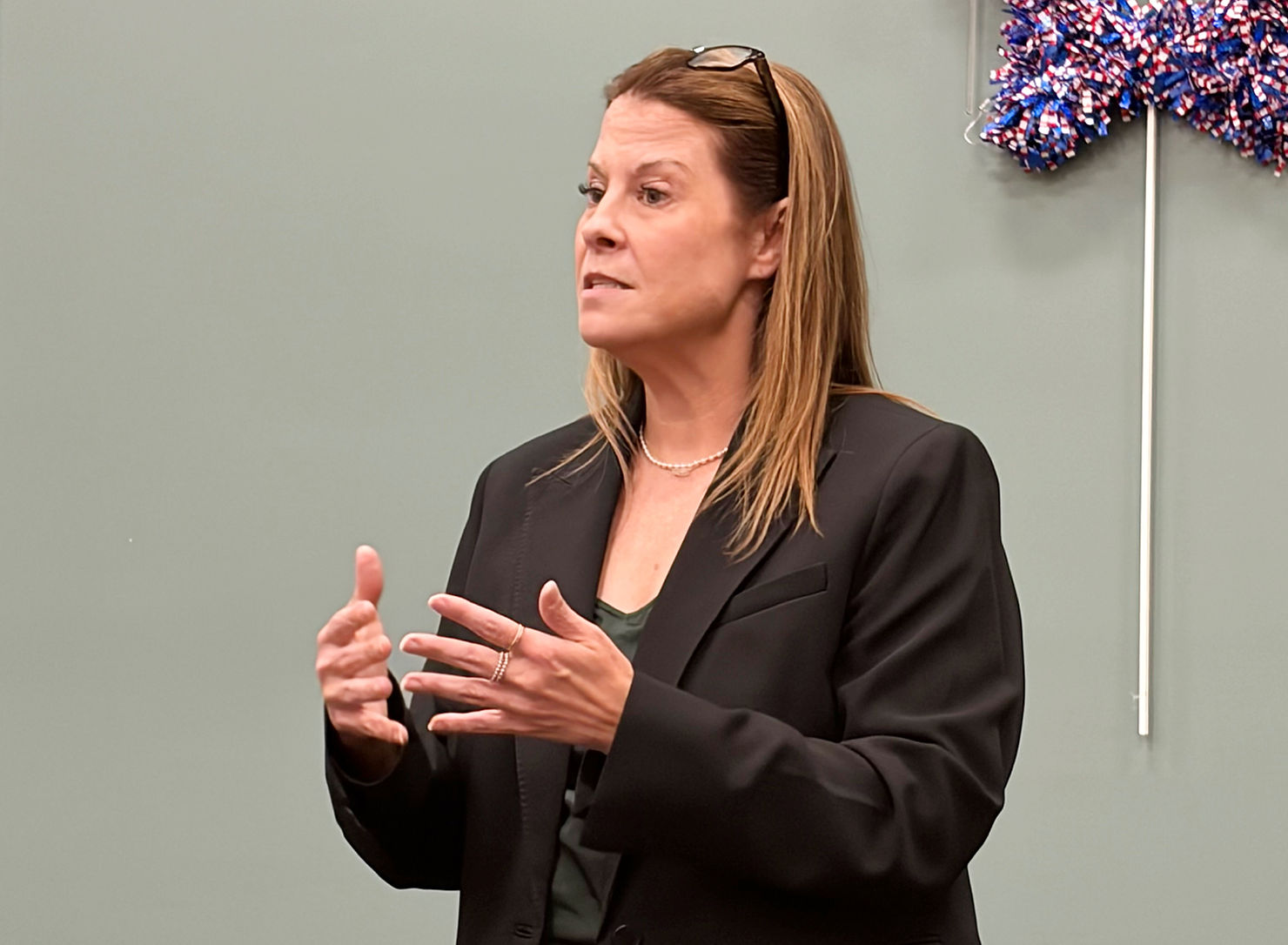
Every voter knows the basic bargain: follow the rules, cast a ballot and expect it to count. Jennifer Day is running for Kansas secretary of state on the idea that election administration should protect that bargain, not turn the voting booth into another campaign prop.
Day has served as a Kansas state representative and, according to her campaign, worked in elections for eight years. That is not a substitute for judging her proposals, but it gives her an answer when politicians treat voting as a theory. Poll workers have to help real people find the right line, understand the process and resolve problems under the clock on Election Day.
Her campaign stresses secure and accessible elections, along with the secretary of state's responsibility for business services. Those jobs belong together in an office that millions of small interactions can either make trustworthy or frustrating. A business owner filing paperwork and a voter checking registration both need the state to work the first time.
The access question is not hypothetical in Kansas. Governor Laura Kelly vetoed Senate Bill 4 in 2025, objecting to restrictions she said would make voting harder for eligible Kansans. Republicans defended tighter rules as election security. Day's candidacy asks voters to judge whether the state's top elections officer will look first for barriers to remove or for new reasons to put up another one.
Security and access are not enemies unless politicians make them so. A reliable system verifies eligibility, keeps accurate records and gives eligible people a clear path to participate. Day is making the case that competence at those ordinary duties is a public value, not a partisan concession.
The office's business functions are an underrated part of the election too. A person starting a company needs records and filings that are timely and understandable. A voter needs the same basic competence from the elections side: clear information, accurate rolls and local officials who can do their jobs. Day is promising an office organized around that public service. The alternative is to let every administrative decision become a signal in a partisan contest. Kansas voters have enough to argue about without making the mechanics of participation harder than they need to be.
This office will never produce the loudest campaign rally. It might shape whether someone can vote without a needless obstacle. Day wants Kansas to take that quieter power seriously. A secretary of state should help voters use their rights, not congratulate politicians for making the process more cumbersome.