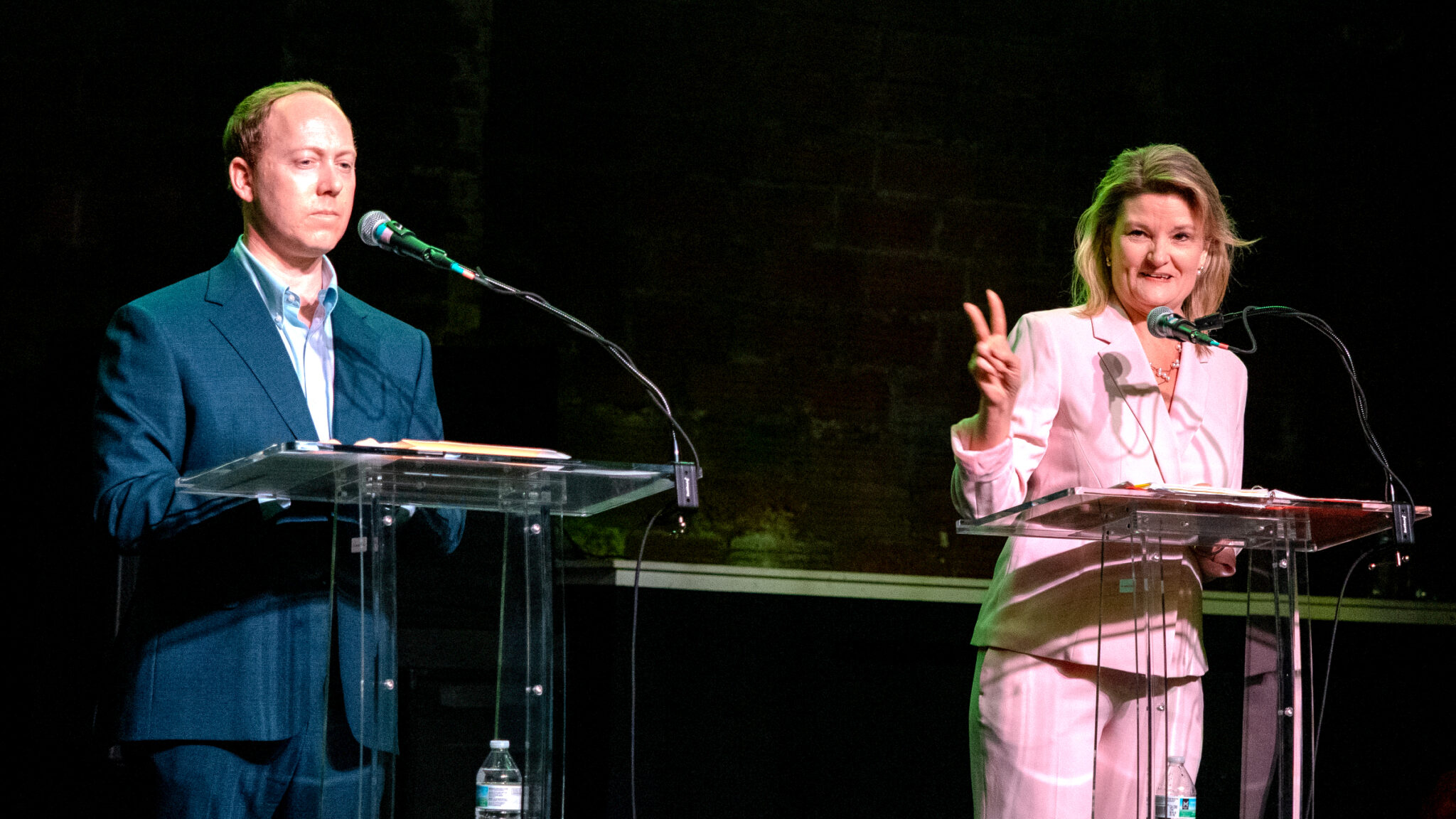
Kansas can prohibit marijuana sales within its borders. It cannot stop a Kansan from noticing that several neighboring states sell it legally. Cindy Holscher's campaign priorities call for legal medical and recreational cannabis, making the argument that the state should regulate an existing market instead of sending purchases and tax revenue elsewhere.
Her 2026 legislative agenda gives medical use a nearer policy path. It proposes legal medical marijuana to widen treatment options and generate revenue she would put toward special education. It also calls for studying recreational legalization in neighboring states. A study is not legalization, and projected tax revenue is not money available to schools today. Holscher's position is clear, but the Legislature would still have to write and pass a law.
The argument reaches beyond the culture-war shorthand. Patients seeking an alternative treatment face a Kansas prohibition. Farmers and small businesses may see an industry that other states have chosen to regulate. Police and prosecutors spend time enforcing rules in a region where crossing a state line can change the legal status of the same product.
Legalization would need careful rules for age limits, impaired driving, product safety, licensing and where money goes. Holscher cannot simply point at another state and declare every problem solved. Her challenge to Republican leaders is that these questions are better answered in a Kansas bill than left to surrounding states and an underground market.
The same affordability agenda asks for special education funding and lower household costs. The cannabis proposal is one piece of how she says Kansas could bring in revenue while changing a criminal rule she considers outdated. Whether the revenue would cover the education gap requires an official fiscal estimate, not applause at a rally.
Prohibition has not made the policy question disappear. It has moved purchases to neighboring states and left Kansas to argue about whether the revenue and regulation should remain elsewhere. Holscher's proposal gives voters a chance to judge legalization on concrete terms: age limits, taxation, licensing and public health. Opponents can raise genuine concerns about impaired driving and youth access. They should also explain why keeping the market across the state line answers those concerns better than writing enforceable Kansas rules.
For years, the Republican majority has kept Kansas on the sidelines of a policy its neighbors already regulate. Holscher is asking voters to decide whether the state should keep outsourcing both the purchases and the debate.