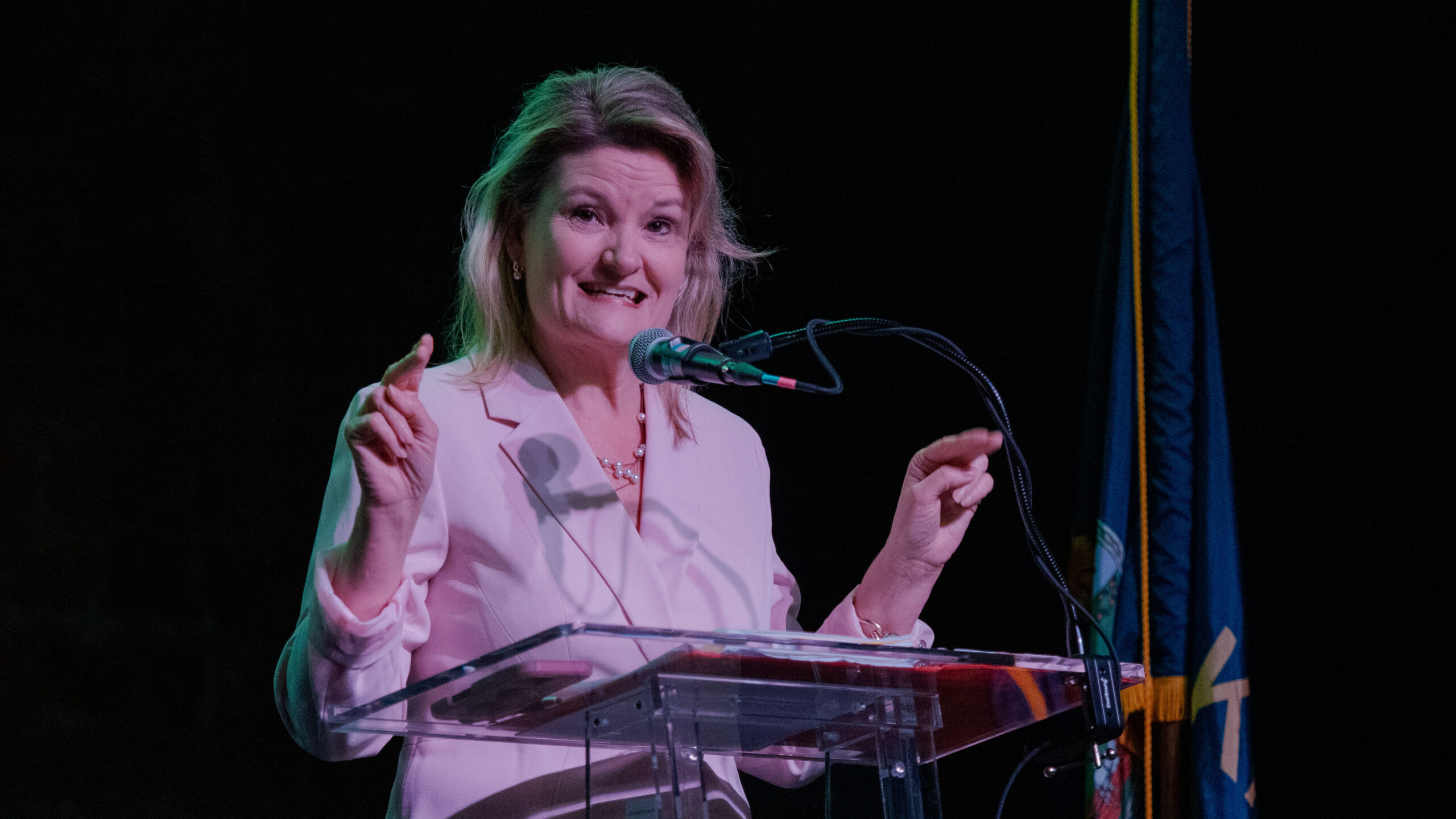
Sen. Cindy Holscher has put a number on the property-tax argument: 11.5% down to 9%. That is the proposed change to the residential assessment rate in her 2026 affordability agenda. Instead of promising that a future study will somehow lower a homeowner's bill, the Democratic nominee for governor has identified the part of the formula she wants to change.
A lower assessment rate would reduce the taxable value used in the calculation for a qualifying home. The final bill would still depend on local mill levies, property valuation and what lawmakers did to replace revenue. Holscher has not enacted this change; it is a campaign and legislative proposal. Those details make the proposal something voters can test, rather than a floating promise of relief.
Her plan also calls for a task force on other ways to cut property taxes and broader homestead relief for seniors and disabled veterans. That matters because a homeowner on a fixed income can face a rising tax bill without a rising paycheck. The tax code should not be indifferent to that collision.
The Republican majority has its own tax record. In 2025, lawmakers ended two statewide building-fund levies totaling 1.5 mills beginning with tax year 2026. Holscher's answer is that families need relief at the residential assessment level too, and that special education should be funded by the state rather than shifted onto local property taxes.
That last point keeps her plan from being a simple anti-tax slogan. A district still has to pay for teachers, transportation and mandated services. If Topeka cuts its share and leaves local schools to make up the difference, the homeowner sees the Legislature's supposed thrift on a county tax bill. Holscher is tying the two accounts together.
Property taxes reveal the difference between a statehouse victory and a homeowner's experience. A lawmaker can vote for a narrow cut and still leave a family wondering why the envelope from the county contains a larger bill. Holscher is using a number that voters can find in the assessment formula, not merely promising to sympathize with their frustration. If Republicans think her rate is wrong, they can show their own calculation. The family's bill is the referee, and neither party should get to hide behind a press release.
Voters should press every candidate for the math and for the funding replacement. Holscher has given them an actual rate to debate. In a race where Republican leaders have long dominated the tax-writing rooms, the Democrat is putting the family's bill on the table and asking why the burden keeps climbing.