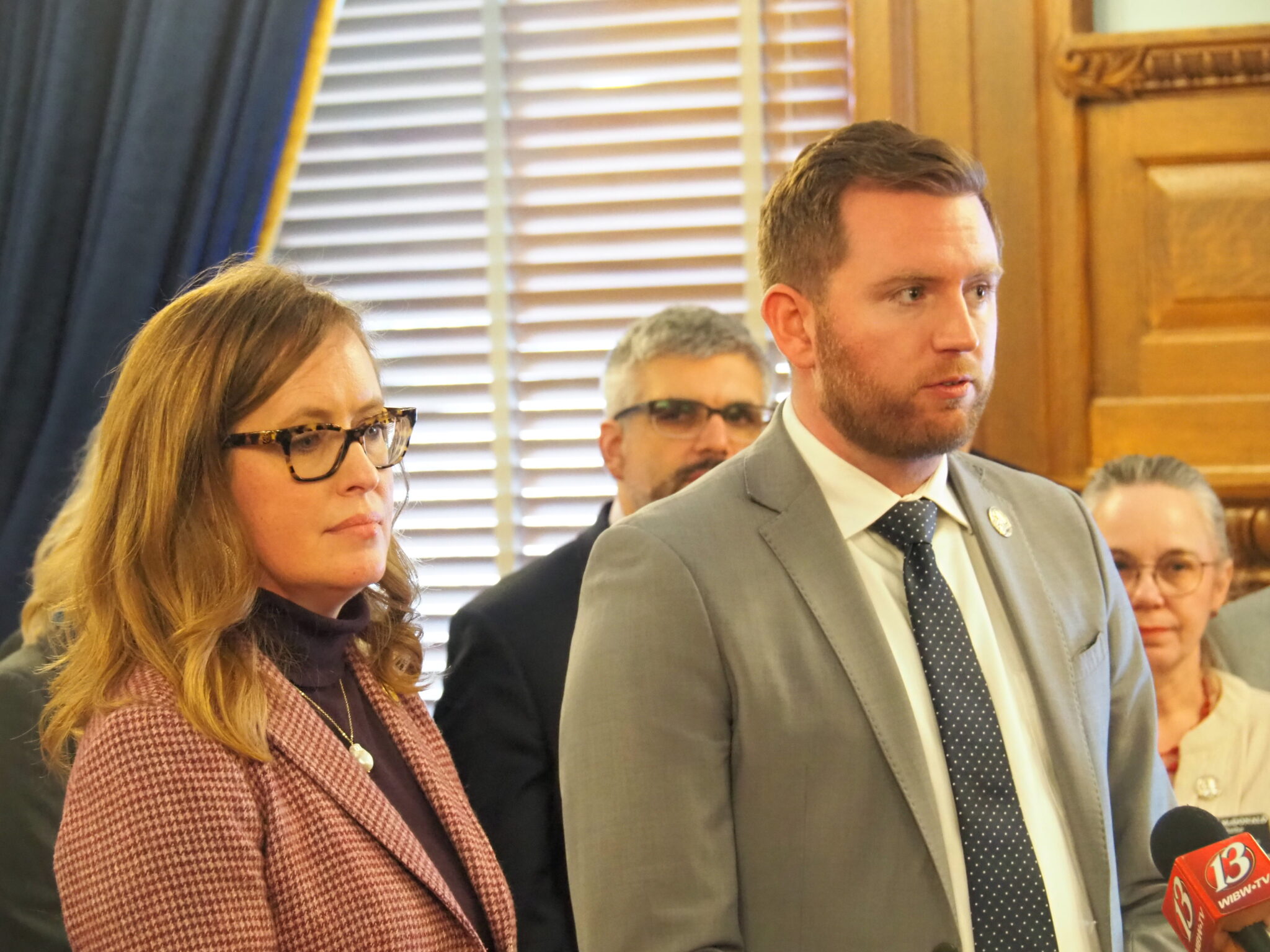
Sen. Cindy Holscher wants Kansas to stop treating a low paycheck as a worker's private failure. Her 2026 agenda calls for a $16 state minimum wage and gives cities and counties room to set a higher floor when local costs demand it. The Democratic governor nominee is making wages a central answer to the cost-of-living fight.
The proposal is legislation to be debated, not a raise already delivered. Businesses would have to adapt, lawmakers would have to decide how and when the increase takes effect, and local communities would have to judge their own labor markets. Holscher's point is that those questions are worth answering because people working full time are already paying the price of inaction.
Kansas families feel that gap at a grocery checkout, when rent is due and when a car repair threatens a month's budget. Telling them the economy is strong does little if the wage at the bottom has not kept up. Holscher's February 2026 announcement placed wages beside property taxes, housing, child care and health coverage for that reason.
The local-option feature is a direct challenge to Topeka's instinct to control every corner of the state by one number. A family in a high-cost county does not pay the same rent as a family elsewhere. Letting a community respond to its own costs gives residents and employers a more honest debate.
Opponents will ask about costs for small businesses, and they should. The answer should include the current cost of turnover and of workers who leave because they cannot make a life in Kansas. Holscher is offering a wage floor as part of a broader economic strategy, alongside child care and housing proposals that can help both workers and employers.
A low wage is often defended as a favor to businesses, but a worker who cannot cover rent, child care and transportation is subsidizing that business with constant insecurity. Holscher's platform asks whether the state is content to call any job a win, regardless of the life it allows someone to build. Her opponents can argue about the pace or cost of change. They still owe Kansans an answer about why full-time work should leave a family one emergency away from falling behind.
Republicans can campaign on a low tax rate for business. Holscher is asking what a Kansas job pays the person doing it. That is the question a family brings home every Friday, and it belongs in the governor's race.