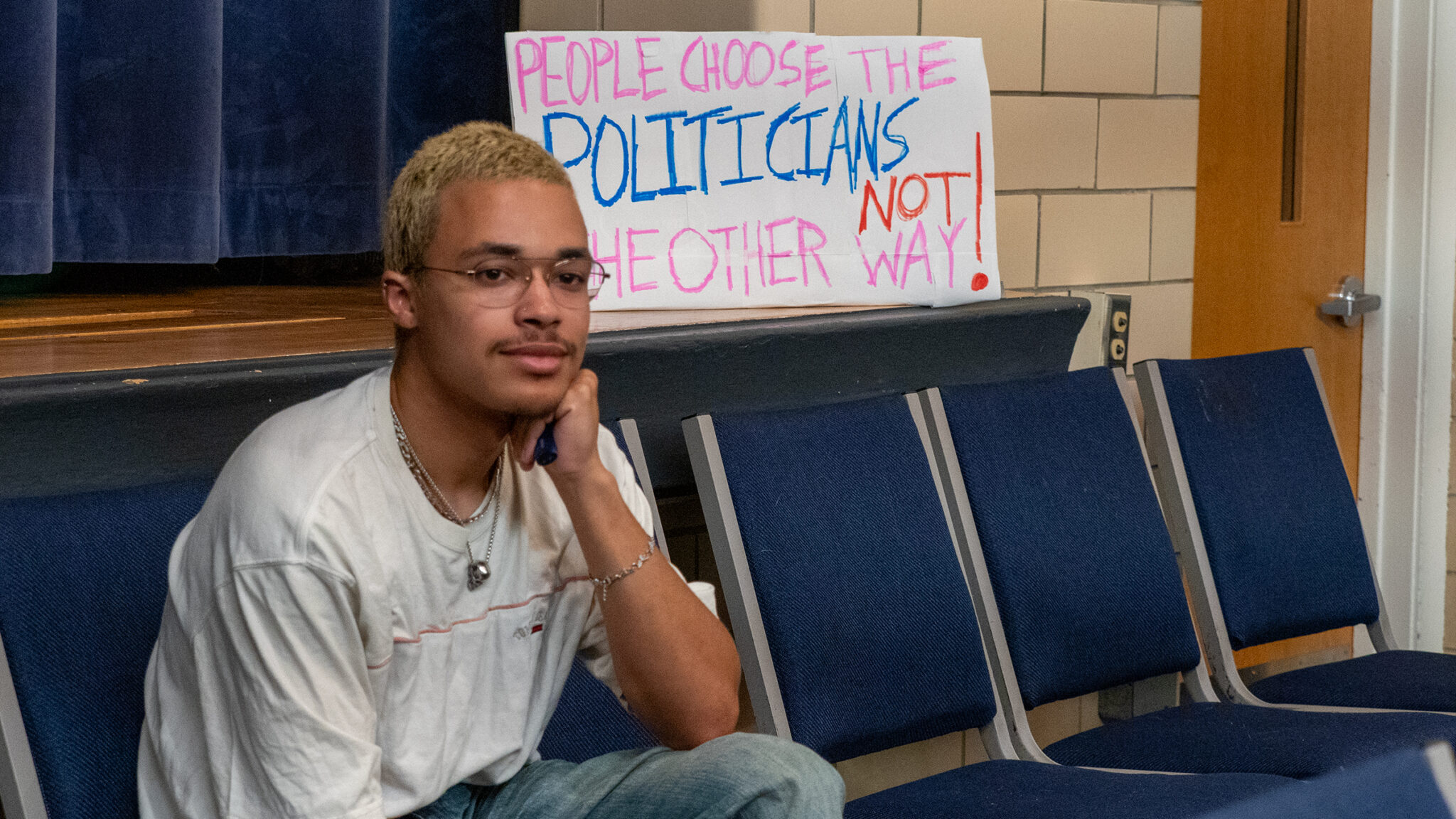
When a party tries to redraw a congressional map between censuses, voters are entitled to ask whose job is being protected. Cindy Holscher wants to take that power out of the ordinary partisan bargaining room. Her 2026 platform proposes an independent redistricting panel and a prohibition on mid-decade map changes.
It is a proposal, not a commission Kansas already has. The details would decide how members are chosen, how public input works and what standards a final map must meet. Holscher's premise is that the people who benefit from a boundary should not be the only people deciding where the boundary goes.
The argument sharpened after Kansas Republicans discussed drawing new congressional lines before the next census. Rep. Sharice Davids condemned the effort as an attempt to change the rules around a sitting Democratic member. The push failed to produce a new map. Voters can still evaluate why mid-decade redistricting was on the agenda at all.
Holscher also wants term limits and tighter rules on corporate PAC money. Those proposals would have separate constitutional and statutory questions, but they share a target: an entrenched political system that can put officeholders and donors ahead of ordinary voters.
The Democratic nominee's February agenda presented independent maps as part of making state government work for people. That is an accountability claim voters should test against the final design. A panel is not independent just because a politician calls it one; its appointment process and transparency have to earn the word.
A district map sounds like dry geometry until a community is split and its vote carries less weight in practice. Holscher's call for independent redistricting puts the design of the rules ahead of the convenience of officeholders. No commission will remove politics entirely, and its membership and standards would matter enormously. But the current arrangement asks legislators to judge boundaries that can help keep them in power. The burden is on defenders of that arrangement to explain why voters should trust the people with the most to gain.
Kansas has real fights over schools, water and health care. It does not need an extra one in which politicians select a friendlier electorate before facing it. Holscher has put a remedy on the ballot. The Republican nominee can defend the current system or offer a better one, but silence on who draws the map is an answer too.