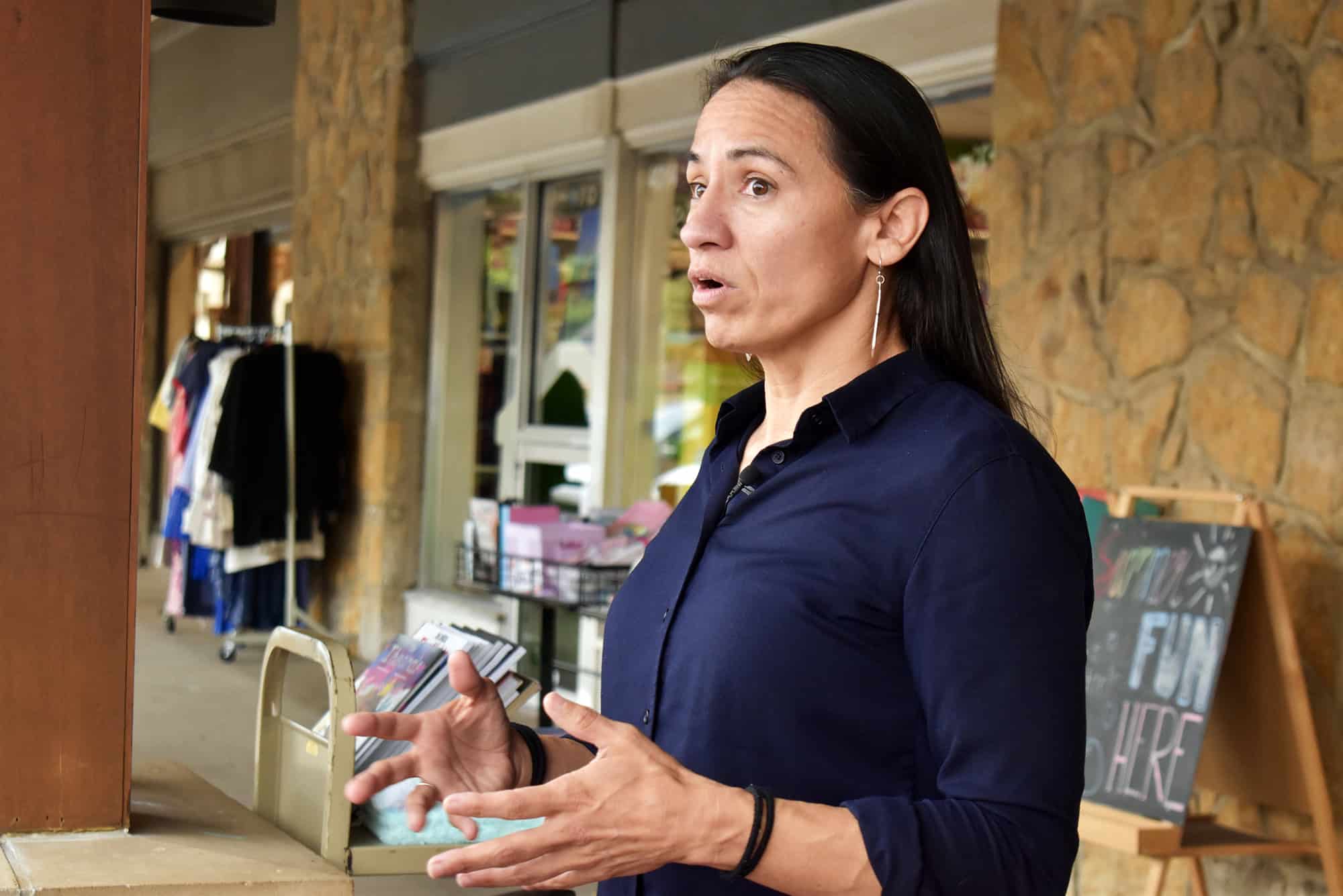
The tariff debate has a second bill waiting behind the first one: what happens if money collected from businesses must be returned. Rep. Sharice Davids backed the RELIEF Act in March 2026, seeking to ensure that any tariff refunds reach small businesses rather than disappearing into a maze they cannot navigate.
That is an unusually practical response to a Washington argument that often stops at whether a tariff was legal. A small importer may have already paid the charge. It may have raised prices, delayed an order or accepted a thinner margin to keep a customer. A future refund means little if the firm cannot get access to it.
Davids' measure does not promise that every tariff will be refunded, and it does not by itself undo the costs that customers have already paid. Its point is narrower and sharper: if the federal government owes money back, the process should not favor companies with the largest legal teams. The Kansas storefront and small manufacturer deserve a clear path too.
Trump's trade fights are often sold as proof that someone else is paying. The refund debate exposes the weakness in that story. Why would Kansas businesses need relief from a charge that supposedly never hurt them? Republican leaders can argue for the merits of tariffs, but they should not erase the companies that have had to finance the experiment.
The refund issue also reveals a power imbalance familiar to any small business owner. A large corporation may have compliance staff and lawyers to track a claim. A small Kansas shop may have the owner doing the books after closing. If the federal government creates a remedy that only the best-resourced firms can use, it has not fixed the problem for Main Street. Davids' proposal is a demand that the rules work for the businesses the tariff debate keeps invoking. Republicans who champion small employers should have little trouble explaining whether they would support that principle.
Davids is pressing for accountability after the press conference ends. A tariff may be announced in Washington, but its paperwork reaches a Kansas desk. If there is money to return, it should follow that same route back. For a small employer, that is more useful than one more promise that the pain was worth it.