The distance to a doctor is a cost rural Kansans pay in hours, gas and missed work. Governor Laura Kelly's Rural Health Transformation Plan tried to bring more care closer to home. Submitted in 2025 for a federal program, the plan laid out a state strategy for primary care, prevention, health workers, telehealth and the finances of rural providers.
Kansas did not write that plan in a vacuum. The federal Rural Health Transformation Program was created alongside major federal health and nutrition changes that Kelly's office said cut coverage and funding elsewhere. The program offered $50 billion nationally, but the state's share was subject to federal award decisions. The plan was an application, not a check already cashed.
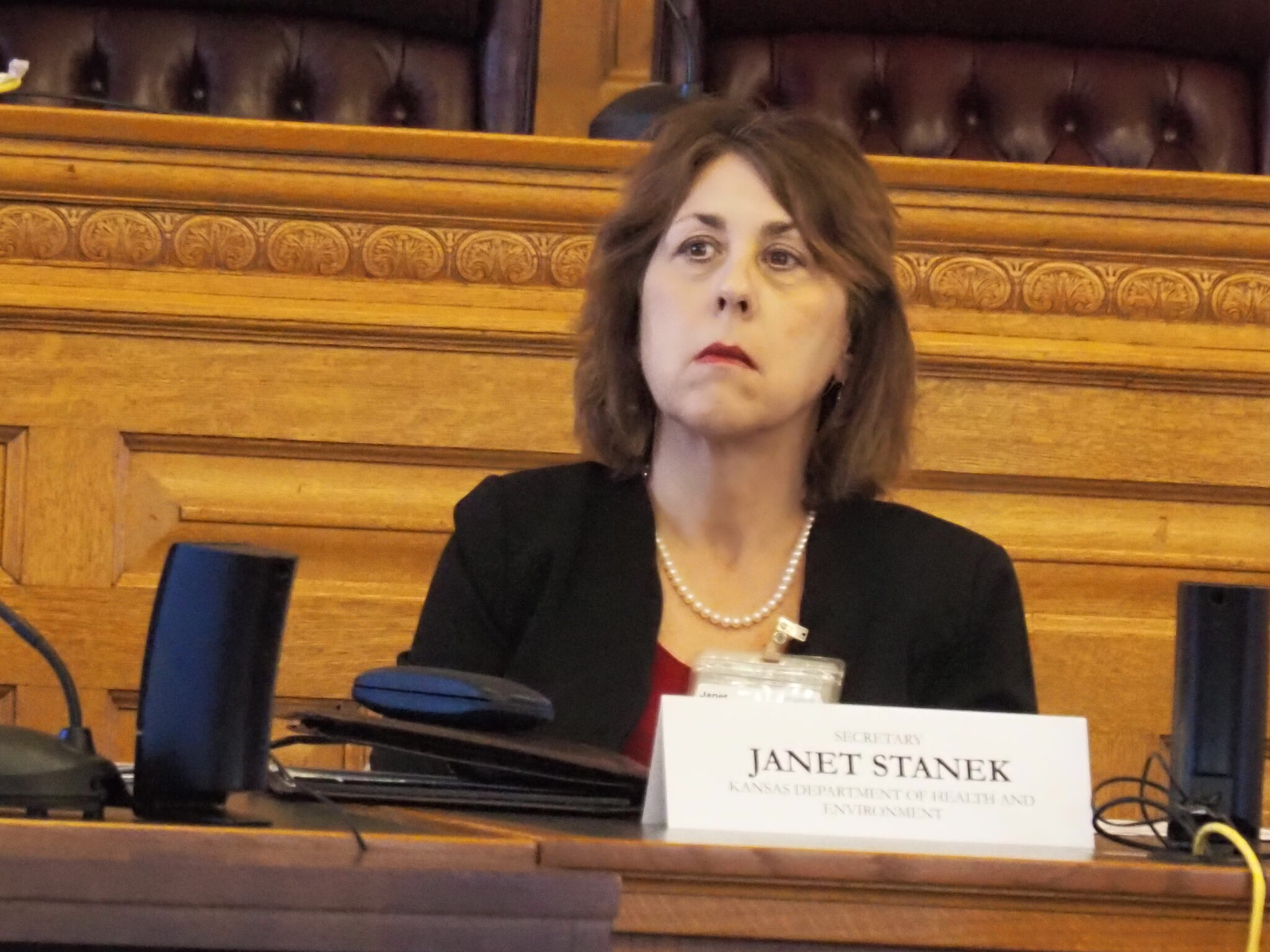
The Kansas proposal called for more local primary care so patients could be treated before a problem turned into an expensive emergency. It proposed support for dental and behavioral health workers, preventive screening and remote monitoring. The Kansas Department of Health and Environment and the Department for Aging and Disability Services led the development with a rural health alliance and the University of Kansas Care Collaborative.
Those details matter in a town where the hospital is also a major employer. Losing a provider can mean losing a nearby job and a nearby place to give birth, receive urgent care or manage a chronic condition. A state plan that addresses both the workforce and the institution is more serious than telling families to drive farther.
Kelly has also pressed Congress to protect Medicaid and pushed the Legislature to expand it. The rural-health application cannot substitute for either fight. It shows she was using the tools available to her while the larger decisions remained in other hands.
Rural health care is often treated as a problem to admire from a distance. A senator can praise a small town and then vote on a federal budget that makes its clinic harder to keep open. Kelly's application put names to the needs: workforce, primary care, dental treatment and prevention. The plan does not make the federal cuts harmless. It makes the consequences harder for Washington to ignore, and it gives rural Kansans a document they can use to demand follow-through.
The plan's success must be judged by awarded funds, staffed clinics and appointments Kansans can actually get. Kelly put a concrete map in front of Washington. Rural Kansas should insist that the federal government and the Legislature help it reach the destination.