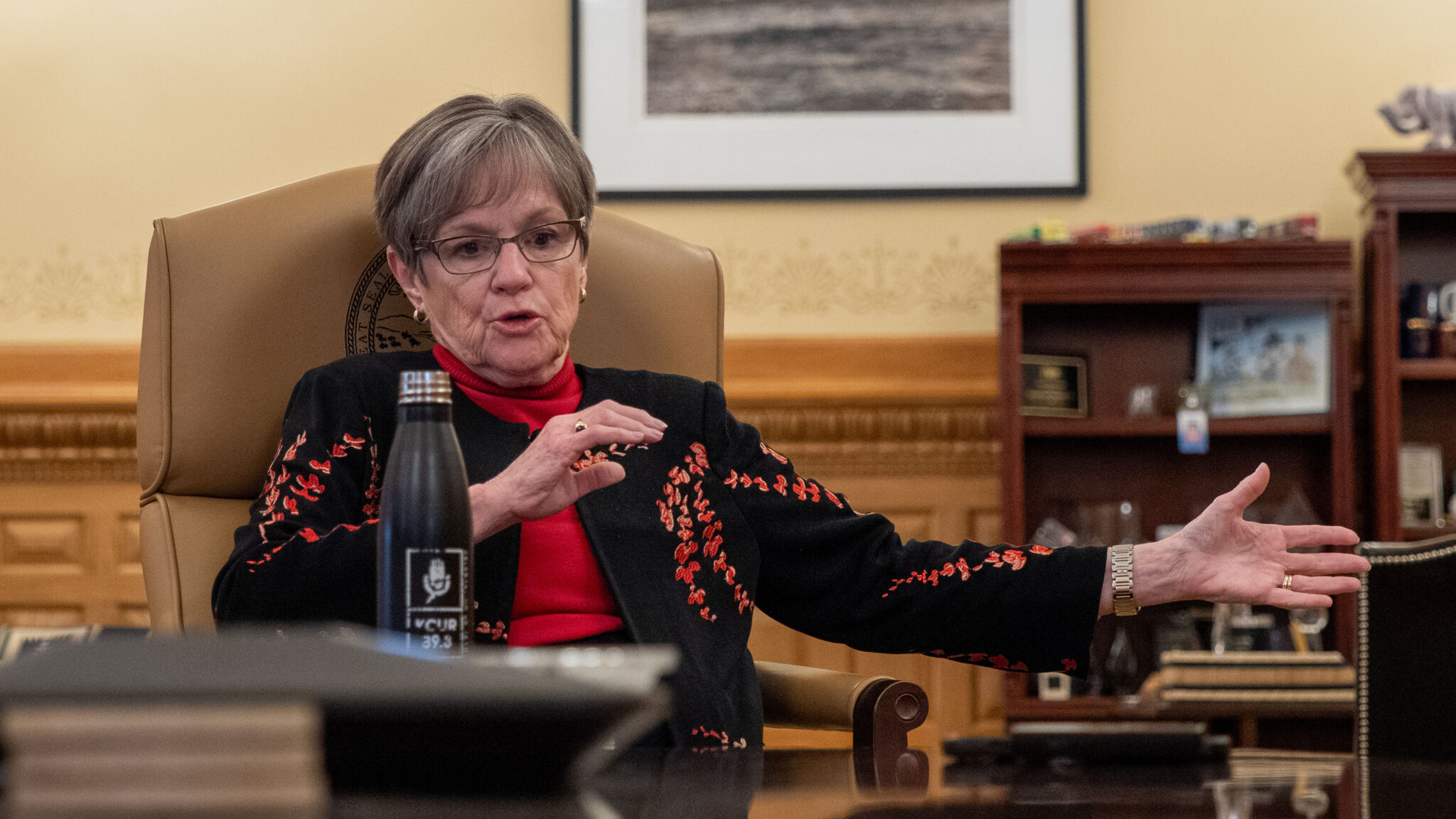
A Kansas business can post a job opening for months and still lose a qualified worker because the worker cannot find child care. Governor Laura Kelly's Senate Bill 82 addresses that cost where it hits families and employers. Signed in April 2026, the law broadens tax credits for businesses that pay for employees' child care, expand a program or support a local provider.
The credit can cover 75% of eligible spending on those services. Businesses can also receive a credit for donations to organizations expanding care in their communities. The combined nonrefundable credit can reach $100,000 per tax year, with unused amounts carried forward for up to three years. Those are incentives written into law, not another suggestion that working parents solve the shortage alone.
This is the kind of economic policy Kansas families can recognize at 7 a.m. The wage on an offer letter matters. So does whether a parent has somewhere safe to take a child before a shift starts. A job that cannot fit around care is not an opportunity the family can actually take.
The tax change builds on Kelly's 2025 early childhood law, which brought nearly 20 programs under one Office of Early Childhood. That law worked on the state system; Senate Bill 82 draws employers into the local solution. The two measures do different jobs and reflect the same judgment: child care belongs in the center of Kansas workforce policy.
The law also contains separate credits for higher-ethanol fuel sales and lockable gun storage. Those provisions should not be confused with the child care credit or used to promise that every family will see a lower bill immediately. The result will depend on employers' choices and the supply of providers in each community.
There is a revealing divide between praising parents for working and helping them make work possible. The tax credit asks employers to do more than lament a labor shortage. They can contribute to care, use the credit and help keep an employee who might otherwise have to leave. The law does not compel every business to participate, but it removes one convenient excuse for standing aside. Kelly made the price of child care a workplace issue, where its economic consequences were already being felt.
Kelly signed a tool businesses can use now. Her opponents can keep calling child care a family matter, but families already know the price. The governor made Kansas employers part of paying it.