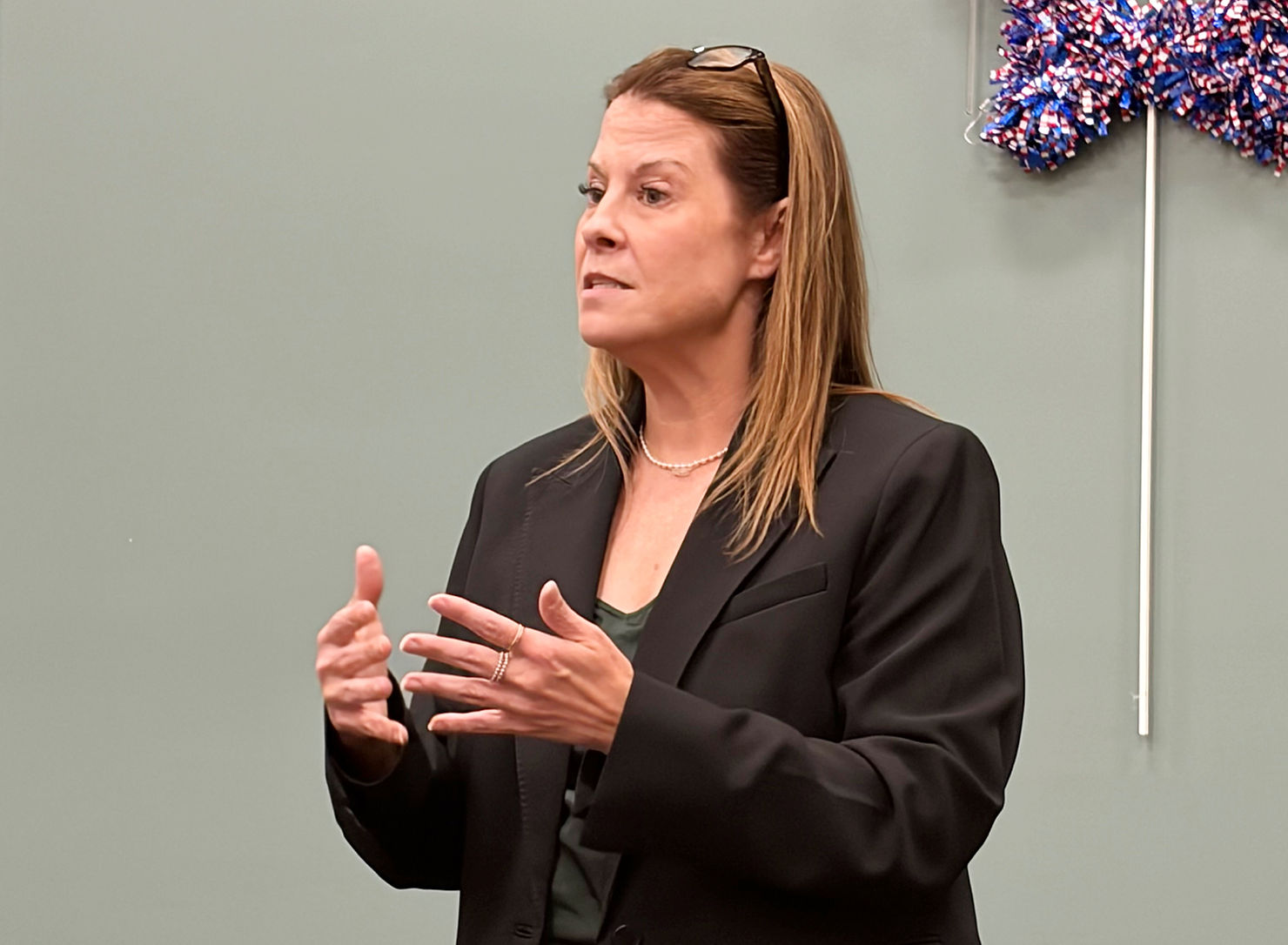
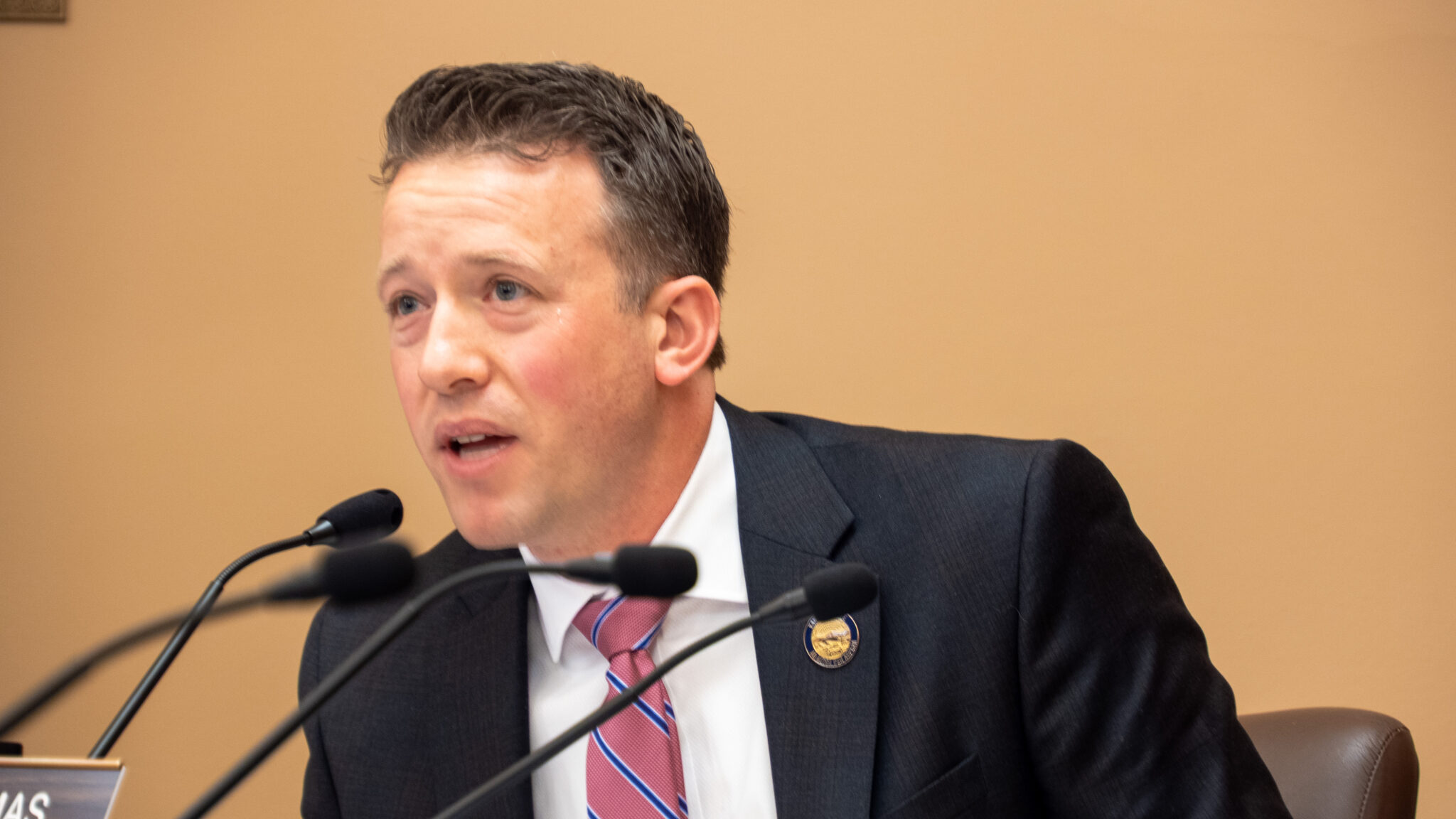
The school day is hard enough for a child who is hungry. Sen. Cindy Holscher wants free lunch for every Kansas student, putting the meal into her 2026 affordability agenda alongside wages, housing and health care. The Democratic nominee is making a simple point: a child should not have to prove a family's financial distress before eating at school.
Universal meals would be a new policy requiring state decisions about cost, federal program interaction and school operations. Holscher has proposed it; Kansas has not enacted it statewide. That difference is worth keeping clear because families need a reliable meal, not a campaign promise mistaken for one already on the tray.
The policy would also reach households that sit just above an eligibility cutoff but still strain under groceries, rent and child care. Those parents know the cost of a school lunch multiplied over a week and over several children. Removing the charge gives them an immediate, predictable bit of room in the budget.
Holscher's February 2026 agenda release ties free meals to a larger school-funding promise. She wants special education fully funded as well. Both proposals reject the habit of presenting help for children as an optional extra while the state pursues another tax break or political grievance.
Food policy is also under pressure from Washington. Kansas Appleseed said about 11,000 Kansas children had lost SNAP access since the federal reconciliation law passed. Children who lose that benefit can lose the automatic link to free school meals too. Holscher's proposal would make that paperwork trap less powerful by feeding every student without first sorting the lunch line by a family's federal status.
The lunch line is one of the few places where government policy becomes visible to a child without an explanation. A form, a balance or a reminder about money can mark who qualifies and who does not. Holscher's proposal treats a meal as part of the school day, not a reward for clearing an administrative test. The cost must be budgeted honestly. So must the cost of asking teachers to educate students whose hunger was entirely predictable when the morning bell rang.
Opponents will ask for a price tag, and they should get one. Holscher is asking the equally important question first: what does it cost a student to spend the afternoon hungry? A state proud of its schools ought to be willing to answer both.