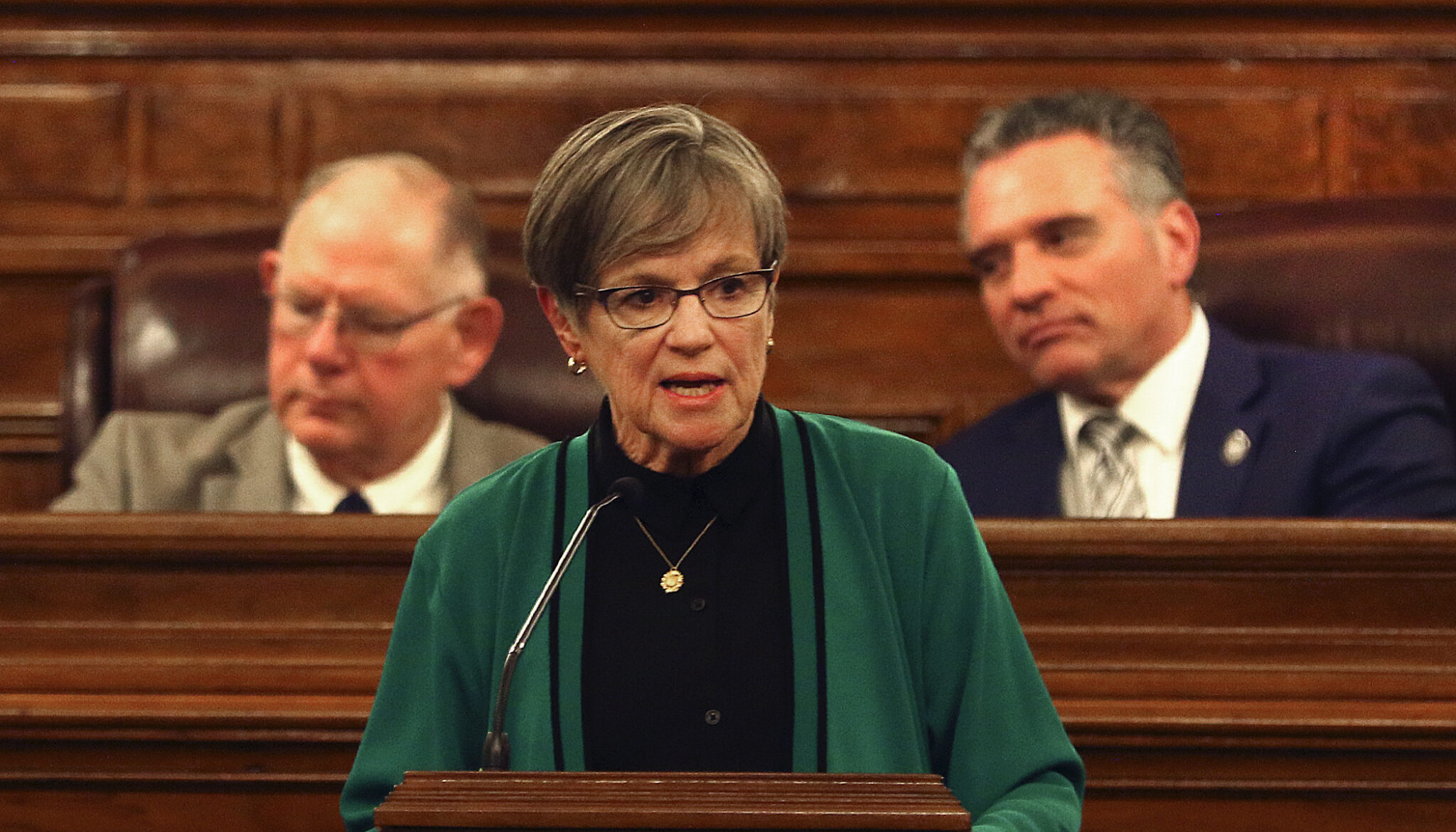
Governor Laura Kelly signed Kansas' 2026 budget with an unusually blunt warning attached. The House Bill 2513 statement says the Legislature cut school mental-health services, severely underfunded special education and moved the spending plan before the April consensus revenue estimates were available.
Signing the bill did not make those choices hers. Kelly said agencies needed appropriations to cover added costs shifted to Kansas after the federal tax and spending law. She also said the Legislature ignored her required budget proposal and moved a plan she considered structurally unsound. That is a governor describing the cost of keeping state government running while refusing to bless the way lawmakers wrote the check.
Families can see the conflict in a school hallway. A child waiting for mental-health support cannot be helped by a debate over whether the Legislature's process was clever. A district facing special education costs must pay for services whether the state covers its share or pushes pressure onto local budgets. Kelly put those consequences on the record.
The governor's 2025 budget had fully funded K–12 education for the seventh consecutive year and added $10 million in special education aid. In her 2027 proposal, she again called for full school funding and a return to structural balance. The record gives voters more than a single angry quote: it shows what she tried to prioritize, and what she thought the Legislature removed.
Kelly also objected to lawmakers increasing their own compensation and staff pay while offering state employees a much smaller raise. The pay figures in her statement were part of her argument about priorities, not an excuse to deny that employees need fair pay. The issue is whose work the budget valued first.
Lawmakers like to debate the size of government in the abstract because the abstraction never needs a counselor. A student does. So does the parent who calls the school when support disappears. Kelly's criticism attached names and services to the cuts; her opponents preferred the comfort of a final budget number. The politics of affordability cannot end at a tax rate if a family then has to pay, wait or drive farther for what the state failed to provide.
Kansas Democrats have a clear case to make from this fight. A budget is a list of decisions about children, patients and workers. Kelly named the people asked to absorb the cuts. Republicans who wrote the bill should have to explain those lines as plainly as she did.