The cruelest line in Kansas health policy is the one that tells a person to work hard and still go without coverage. Governor Laura Kelly challenged that line again in 2025 when the Healthcare Access for Working Kansans Act was introduced in both legislative chambers. Her administration estimated that Medicaid expansion could cover 150,000 additional Kansans.
The proposal was introduced by Rep. Barbara Ballard in the House and Sen. Pat Pettey in the Senate. Kelly argued that covering more workers would help rural hospitals, strengthen the health workforce and bring federal dollars back to Kansas. Her office projected 23,000 jobs and $1.2 billion in annual economic activity from expansion. Those are estimates attached to a proposal; they are not benefits already delivered.
Kansas has watched this argument repeat for years. The Republican majority could choose to bring a bill forward, amend it and vote. Instead, the state still has no Medicaid expansion. The result is felt in a clinic waiting room and in the finances of hospitals that serve patients regardless of whether those patients carry an insurance card.
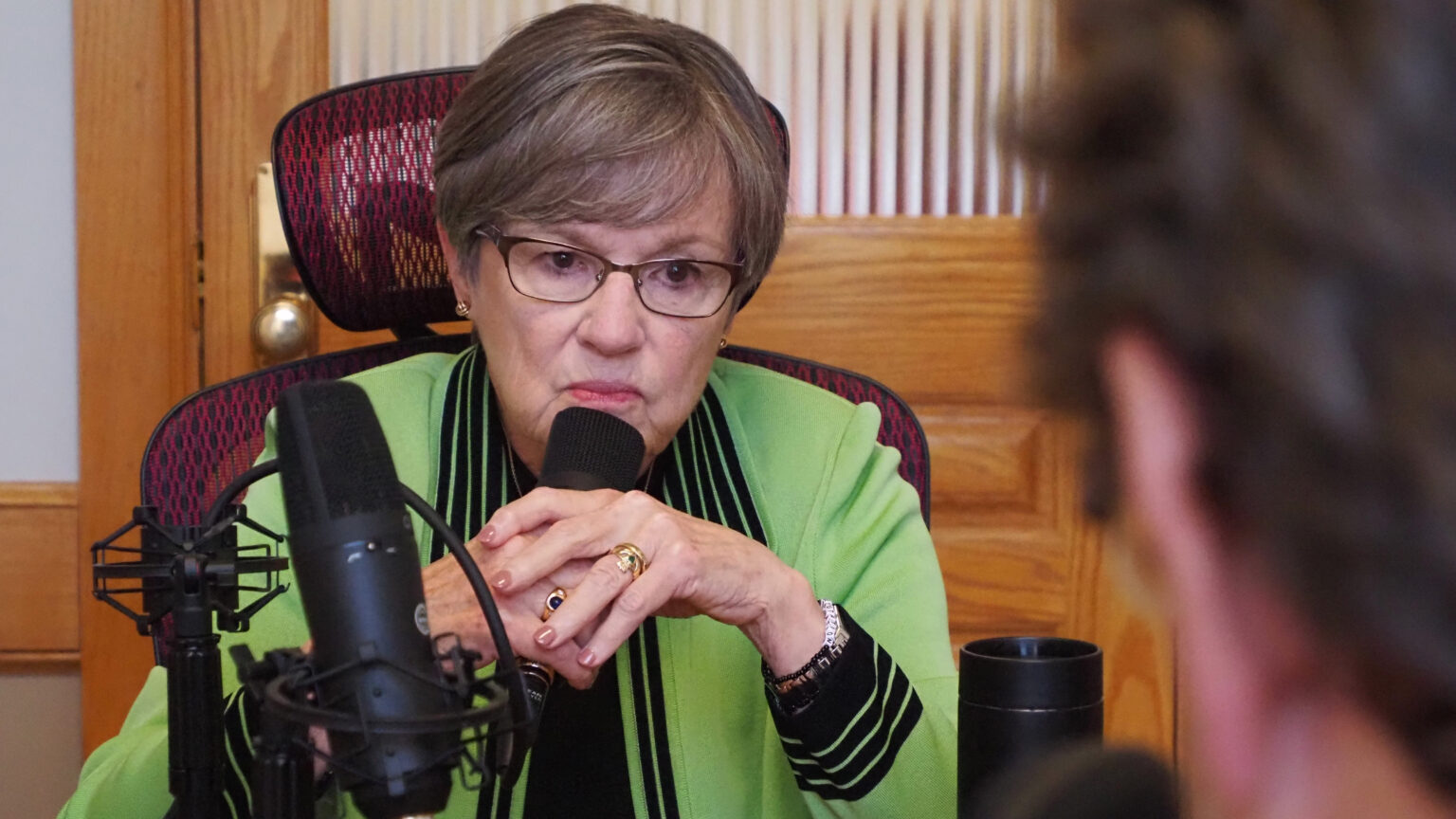
The Kansas governor's health-care record makes expansion a recurring priority. She did not hide the fact that the Legislature held the power to pass it. That distinction matters to anyone evaluating her: the HAWK Act showed what she tried to do and who had the votes to stop it.
Meanwhile, federal changes have put additional pressure on the state's health budget. Kelly asked the Kansas congressional delegation to protect Medicaid from cuts that could weaken access for vulnerable residents. A state already declining federal expansion money has little room to treat federal retrenchment as a harmless accounting change.
The refusal has a price even when lawmakers prefer not to put it in a bill title. An uninsured worker may delay care; a rural hospital may have to carry unpaid costs; a small employer may lose someone who cannot manage a chronic condition. Kelly's plan was built around federal funding already available to expansion states. Republican leaders can oppose the proposal, but they should have to explain why Kansas is better off leaving both the coverage and the money on the table.
No one can call an unpassed bill a clinic visit. Kelly's fight is still unfinished. But the political choice is plain: one side put coverage for working Kansans on the table, and the Republican leadership kept the table from becoming a vote.